Friday, 30 October 2015

Sustainable Rooftop Living

ext

Rooftop living is not something that’s often mentioned on this blog, but from a sustainability point of view, it makes a lot of sense. Especially when it comes to urban living, and lack of adequate and affordable living space there. The Jewel Box, designed by Clear Studios of New York City, is a great example of a housing solution on the roof, which is also all around very sustainable.

The prototype of the Jewel Box was constructed on the roof of a building in Guatemala City. It was built using recycled and repurposed materials such as wooden pallets, and wine bottles (cast with concrete), while the windows were all reclaimed from elsewhere. It measures a modest 100 square feet, and features a living area, bedroom, office space and even a room for meditation.

bottles

There are also vertical gardens surrounding the home, which allow for organic produce growing, as well as give a sense of being closer to nature. There is also a “Zen garden” on the roof, where tea plants are grown, as well as a sculpture like structure that is used for solar energy collection. The roof is also fitted with gutters for rainwater collection, which is first used for showering, then recycled and used to irrigate the gardens.

garden

The Jewel Box connects state of the art sustainable technologies with very basic construction methods. As such it is very promising in terms of promoting sustainable living, especially in developing nations and cities. Since it is built using salvaged and repurposed materials, it can be a rather simple DIY project for many, given adequate instructions. The latter also have to include good information on how to remove the toxic chemicals from pallets, since these are not suitable for building materials unless this is done properly.

plan

Thursday, 29 October 2015

Camping on the Water

ext

Wouldn’t it be great, if you could pitch a tent on a lake or river, and let it rock you to sleep? I know I’d love that, so I think this floating pod designed by Daniel Durnin, an artist and designer from London, is simply awesome. He is calling it the WaterBed and it is light enough to be towed on the back of a bicycle.

tow

The WaterBed can sleep one person, and offers a unique way to camp. Daniel designed it to be used as a tent alternative, and it can be used in cities, such as Amsterdam, London or New York, as well as at any small waterway. It can also be set up on land, and eliminates the need to erect a tent.

The shelter in the picture was hand built by Daniel and made out of wood. In doing so, he put his experience in furniture design and cabinet making to good use. The prototype of the WaterBed is simple in design and layout, yet still comfortable to sleep in, and also very easy to set up and use.

table

The WaterBed can be placed in the water by one person alone, then secured to the bank using ropes. The interior of the shelter features cushioned seats, which can be turned into a bed. There is also a fold down side table, which works great if you want to have a cup of coffee or eat a meal. The floating tent also features large windows that let in plenty of light and provide excellent ventilation. They also provide great views of the surrounding landscape. The windows can also all be covered by curtains for privacy, or to provide shade.

float

The WaterBed can be attached to the back of a bicycle using a clip-on attachment. It weighs around 165 lbs (75 kg) so it can get heavy when trying to tow it uphill, but this weight does make it more stable on the water. Daniel would like to see the WaterBed become commercially available in the near future. He might also develop it further and start offering open source and DIY plans.

Wednesday, 28 October 2015

Hybrid Solar System That’s Very Efficient

roof

A team of scientists from Brunel University London, UK has come up with a solar panel/heat pipe hybrid system, which basically turns the whole roof into a solar power generator. This makes the panels a lot more efficient, since this system is able to harvest more solar energy than just solar panels alone.

This system is made up of flat heat pipes and PV cells, which can heat water and generate electricity. The pipes measure 4mm x 400mm and are used to heat water to be used by the household, while at the same time transferring heat away from the solar cells. In the tests by the creators, they found that this hybrid system was able to cool the PV cells by 15 percent more compared to a traditional PV array installation.

closeup

This is especially important since the more sunlight hits the roof panels, the more heat is collected, which can lead to damage and has no impact on the energy generation efficiency of the panels. So, something needs to be done to dissipate this heat effectively, which is why this hybrid system is so welcome.

The hybrid system developed by the team is also very easy to install, since the solar panels are designed to click together as simply and seamlessly as laminate flooring. The team is currently testing a prototype of the system on a three-bedroom house constructed by the Building Research Establishment (BRE) in Watford, UK.

According to the team, the system is so efficient that it is capable of collecting energy from early morning dew evaporating off the roof. That’s quite a feat and it will be interesting to see how well this system does in the tests, and whether it will soon be ready for the general market.

Tuesday, 27 October 2015

Modular Shipping Container Home

ext

Lettuce House was built in China in 2014 by the architecture firm Sustainable Lifestyle Lab. Despite the rather funny name, the house is all about being sustainable. It was built out of repurposed shipping containers, is modular, has a roof garden, and even features a sophisticated waste management and water collection system.

roof

stair

The modular Lettuce House is constructed out of six recycled shipping containers. The containers used were standard sized, 20-foot containers, with an 8-foot ceiling. They were not altered much for the construction process, which further offsets the carbon footprint of this home. Each of the containers used creates one of the spaces of the house, namely a kitchen, living area, three bedrooms, a bathroom, a storage room, and an exhibition space. The container at the entrance of the home was placed vertically and forms a courtyard.

kitchen

storage

bathrom

Part of the decision to leave the containers in their original conditions had to do with local building restrictions, which mandated that the construction time must be very short. The other restriction was that the house must be recyclable and efficient. To achieve all this, they decided on a modular approach and using containers, so that the entire house could be pre-produced in a factory. Once it all arrives on site, it takes about half an hour for each of the containers to be set in place. All the windows and doors are already precut at the factory. Once all the modules are in place, waterproof rubber is installed in the joints between containers so as to hold them together. After this, the indoor stairs and all the doors are installed. The rest of the interior design is completely up to the owner.

building

The home also features a series of smart eco-friendly technologies to keep it running. The so-called eco-circle system design includes sewage collection, treatment, and re-use, while there is also a reclaimed water treatment system. Kitchen waste and excreta are also collected, treated and reused, while the house also features a biogas digester, solar energy, wind energy and rainwater collection. The entire roof is one big garden, which can be used for organic farming, while also insulating the home.

plan

For the next two to three years, Lettuce House will be used to study how well the sustainable features of the home perform, and where corrections can still be made. It cost about $35,000 (218,000 Yuan) to build, which includes the transportation and assembly on site.

Affordability and Livability is in Our Hands

Seattle_Columbia_Pano-2
[Seattle Columbia Pano2 by Patrick Rodriguez]

Urban growth is a contentious subject in most U.S. cities since the recovery from the economic recession. Here in Seattle, the issue has reached its boiling point. The housing inventory in Seattle is extremely limited, construction costs to build new housing are high, and the overwhelming competition for housing has reached desperate levels. All the while, equality and cultural diversity continue to diminish. In a statement from Seattle’s Mayor Ed Murray:

“We are facing our worst housing affordability crisis in decades. My vision is a city where people who work in Seattle can afford to live here. Housing affordability is just one building block to a more equitable city. It goes hand in hand with our efforts on raising the minimum wage, providing preschool education for low-income children, and increasing access to parks and transit. We all share a responsibility in making Seattle affordable. Together, this [HALA] plan will take us there.”

These are insightful words from a leader who’s done the legwork. In 2014, Mayor Murray and the Seattle City Council launched a 28-person team comprised of Seattle’s brightest and most forward-thinking professionals to study the affordability and livability of the city. The team included experts from various disciplines including planners, lawyers, developers, architects, non-profits, community leaders, and many more. In a truly wise move, the roster of the advisory committee brought together folks who do not regularly convene amicably to work together to balance all of their interests and find common ground. After a year’s worth of analysis and deliberation, this past summer the Housing Affordability and Livability Agenda (HALA) was released – a “bold agenda for increasing the affordability and availability of housing.”

HALA-Committee
[Photo via The City of Seattle]

While the 65-point report covers many aspects of affordability and livability in Seattle, we plan to take them in bite size pieces over the months ahead. The point we’ve focused on for today’s post concerns the proposal impacting the low-density single family residence (SFR) zones, and the report goes straight for the jugular. The City of Seattle’s current zoning establishes 65% of all buildable land(!) – everything except roads and open spaces – as SFR. From the HALA report:

“As Seattle expands rapidly and experiences massive economic and population growth, we are confronted by the reality of more people chasing a limited supply of housing than ever before in our history. This, combined with a booming regional housing market, fewer and fewer federal and state funds dedicated to subsidized housing, and widening income inequalities locally, nationally and globally, have created – and will likely sustain – a housing affordability crisis unlike any Seattle has experienced since the Second World War. At the same time, we are constrained by outdated policies and historical precedents that are no longer viable for the long-term health of our city. Some of the challenges are intrinsic to Seattle, for example tight limits on housing supply epitomized by the fact that at present almost two-thirds of our urban land is restricted to Single Family zoning.”

When it comes to the solutions, HALA doesn’t disappoint. The agenda unapologetically spells out what Seattle needs to do to get through its growing pains:

“While funds for affordable housing are key, we also need to relieve market pressures by increasing housing of all types. The inescapable reality is that everyone in the city of Seattle needs to make room both for newcomers, as well as those that historically have been excluded from the housing market altogether, including individuals and families who are homeless. We all have to make room at the tables of our many communities. In a land-constrained city, increased housing density is the necessary companion to urban growth. That means more cottages, in-law apartments, flats, duplexes and triplexes in the two-thirds of Seattle currently zoned exclusively (and, historically, through racial restrictive covenants, for purposes of exclusion) for single family homes. It means dedicating more land for multifamily housing in and around Urban Villages and more multifamily housing of all types and sizes inside Urban Villages or very close to desirable urban amenities. An increasingly dense city also must have access to an efficient transportation system, one that gets people out of their cars and using public options to move to and from work, school, and community activities.”

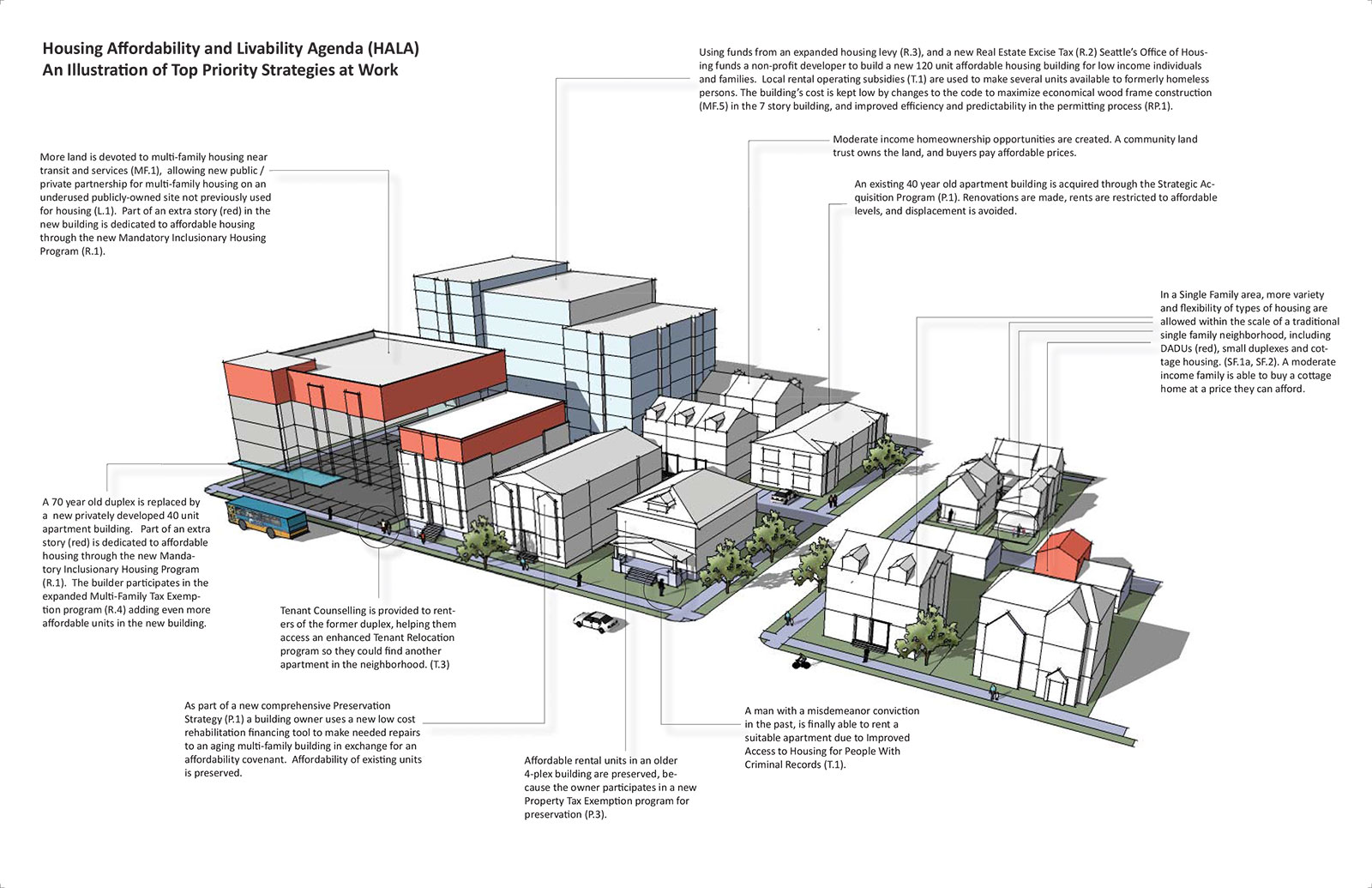
Getting down to specifics, the agenda proposes converting SFR zoned land within Urban Villages to more intensive uses, removing specific code barriers that make it difficult to build accessory dwelling units, and allowing more variety of housing types such as small lot dwellings, cottages, courtyard housing, duplexes and triplexes in single family zones. The agenda clearly declares that the current state of Single Family Zoning is no longer realistic nor sustainable.
HALA-Diagram
[Image via The City of Seattle]

For Seattle’s design-conscious urbanites, HALA was the voice of reason and a clear pathway to a city that fires on all cylinders. It was what many of us believed to be the solution for years, and having a report from the city’s experts, grounded in empirical data, gave credence to density and healthy urban growth. It provided an attainable opportunity for affordability and livability while fostering diversity. It was the answer.

Until it wasn’t.
Just two and a half weeks after its release, the mayor backed down, stating:

“The Council and I created the HALA process because our city is facing a housing affordability crisis. In the weeks since the HALA recommendations were released, sensationalized reporting by a few media outlets has created a significant distraction and derailed the conversation that we need to have on affordability and equity.”

The changes to the single family zones can be viewed as one of the more controversial of the 65 strategies outlined in HALA, but they were also some of the most important. We could pick apart the arguments for days: decipher the media coverage, sort out the agendas of city council members, and point fingers. We could defend Mayor Murray’s sacrifice of the single family provisions to gain ground on other HALA agenda items. But none of that gets us to a more affordable and livable city. As a team of architects, builders, occasional developers, and individuals who live and work in the city, three things are crystal clear to us:

1. We have a solid agenda from the experts based on exhaustive research.
2. We cannot rely on policy to move this agenda forward; media and politics are both self-defeating.
3. The solutions are in our own hands as citizens concerned with our city; we must advocate for implementing well-founded, expert solutions or we will simply fail in creating urban, balanced housing options (read: San Francisco).

The accessibility of HALA makes it easy for anyone to educate themselves on the recommendations for affordability and livability of urban housing. The report comes to clear conclusions that architects can advocate, developers can sponsor, homeowners can embrace, and builders can implement. There are several solutions that the citizens of Seattle (and other cities) have the ability to forward without the consensus of the jurisdictions. Simply put, we don’t necessarily need the city (government) to get its act together to make the city (community) more affordable and livable.

BUILD has been experimenting with some of these ideas in our Case Study House Series and multi-family projects. Each of the four examples below explores affordability and livability in slightly different ways, as well as incrementally introducing new ways to achieve density in the city. While these methods are in-line with HALA, three of the four were put into place before the HALA report was released.

Case Study House 2012
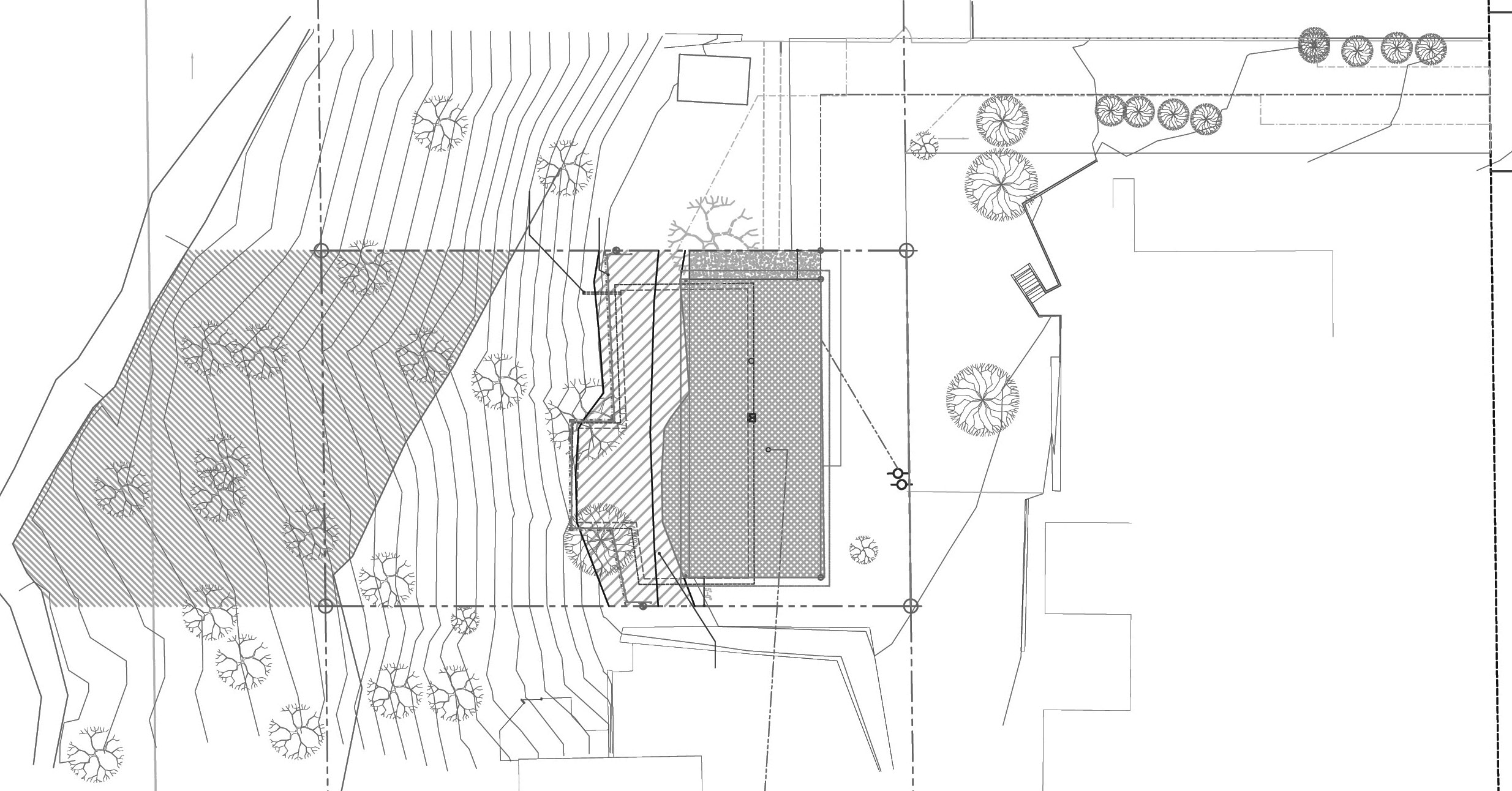
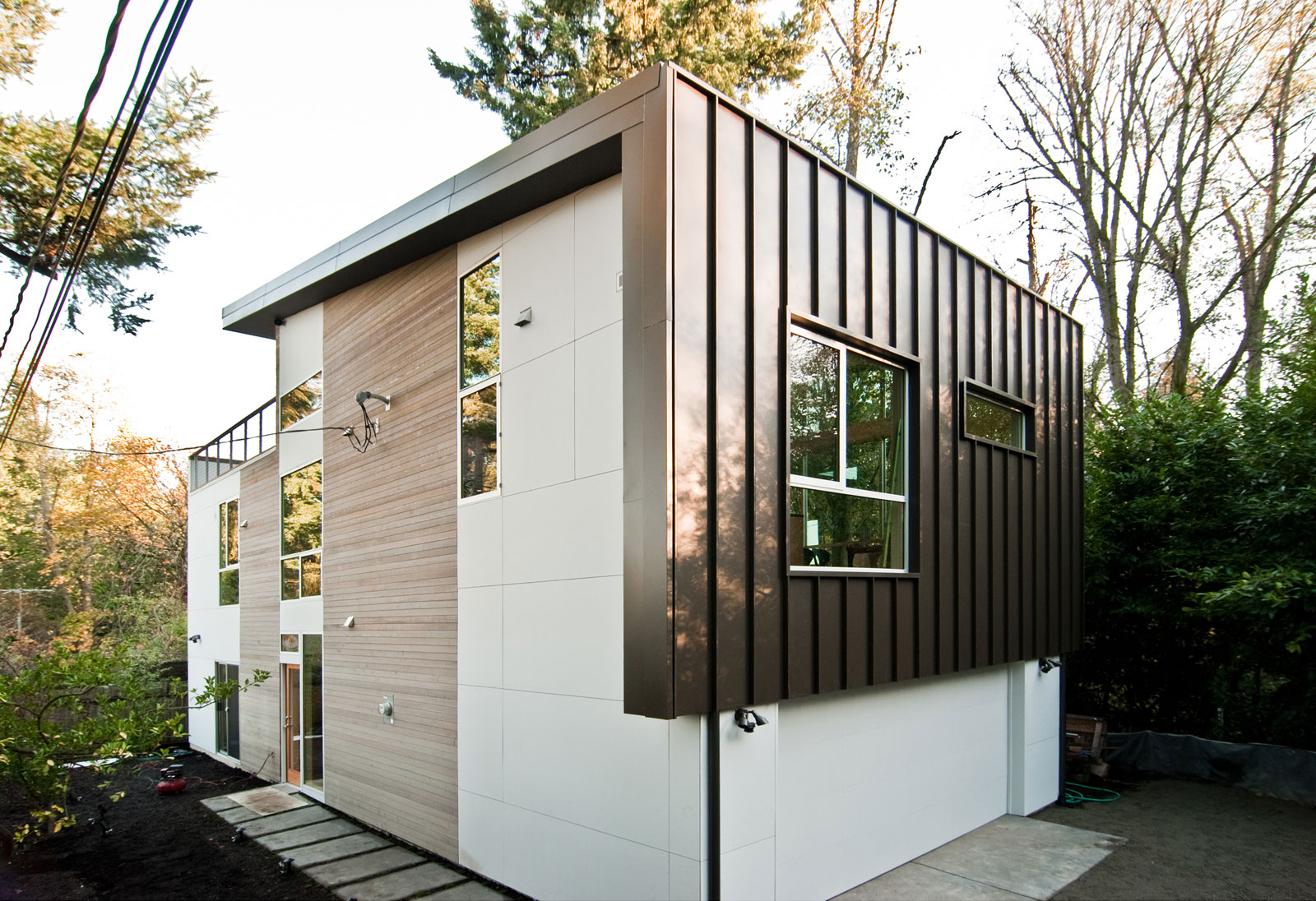
This single family residence in the Wedgwood neighborhood of Seattle was developed on a parcel created from the backyard of an existing residence. The Seattle Municipal Code allows parcels of a certain size to subdivide, permitting more single family housing inside the city. While the lots created from these subdivisions are often challenged with area limitations, easement requirements, and environmental critical areas, establishing a new house on them is possible for a homeowner willing to put in the work or able to hire a capable architect. The CSH 2012 was built before the real-estate boom started, but finding an empty parcel of land was still challenging. While finding an empty parcel today is nearly impossible in Seattle, there are plenty of opportunities to subdivide existing single family residential lots and offer additional opportunities for single family residences. Best of all, this solution is entirely at the discretion of home owners.
BUILD-LLC-CSH2012-Ext-11#
[Photo by BUILD LLC]

BUILD-LLC-CSH-2012-Plan
[Diagram indicates area of buildable area on steep slope, subdivided lot]

Case Study House 2014
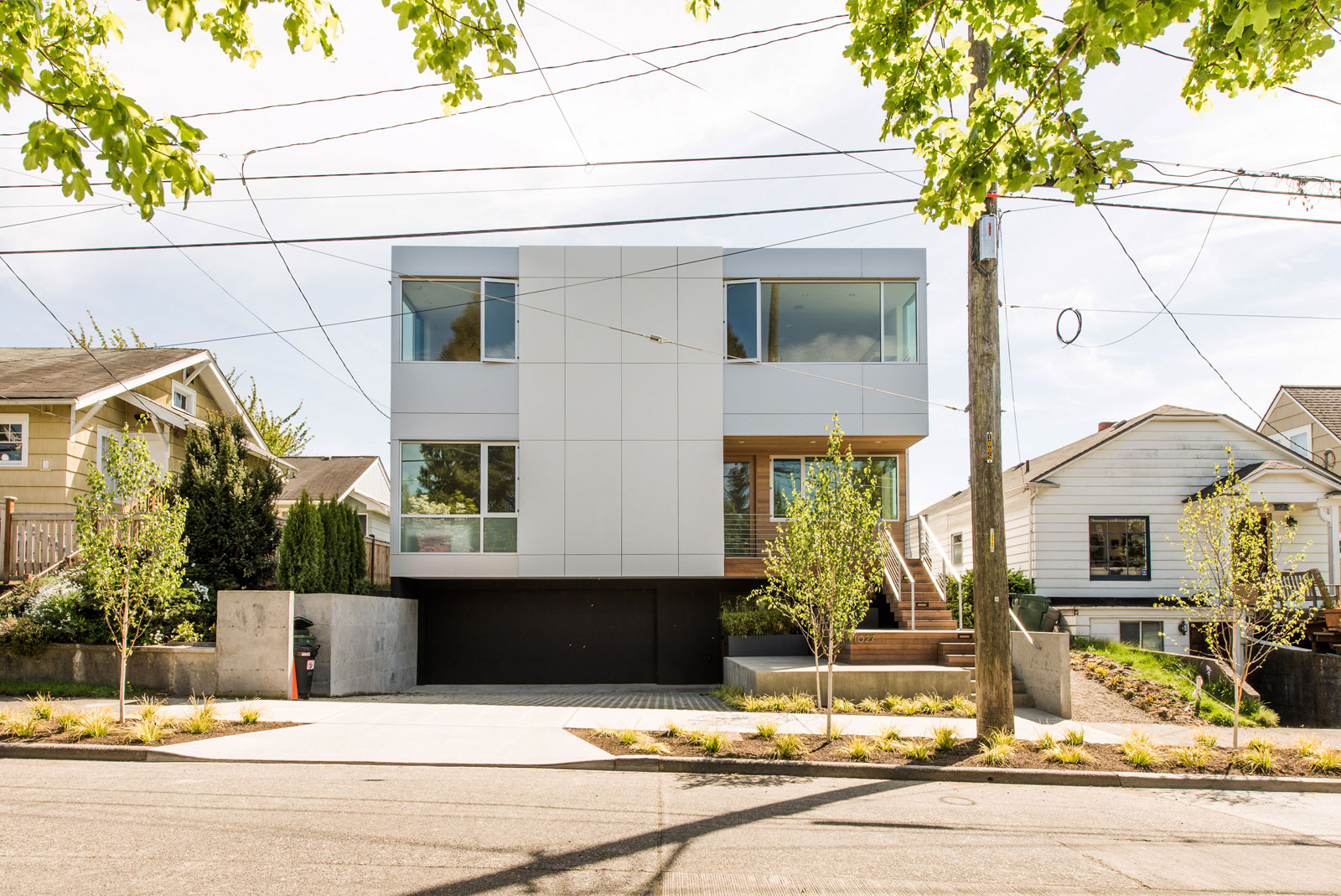
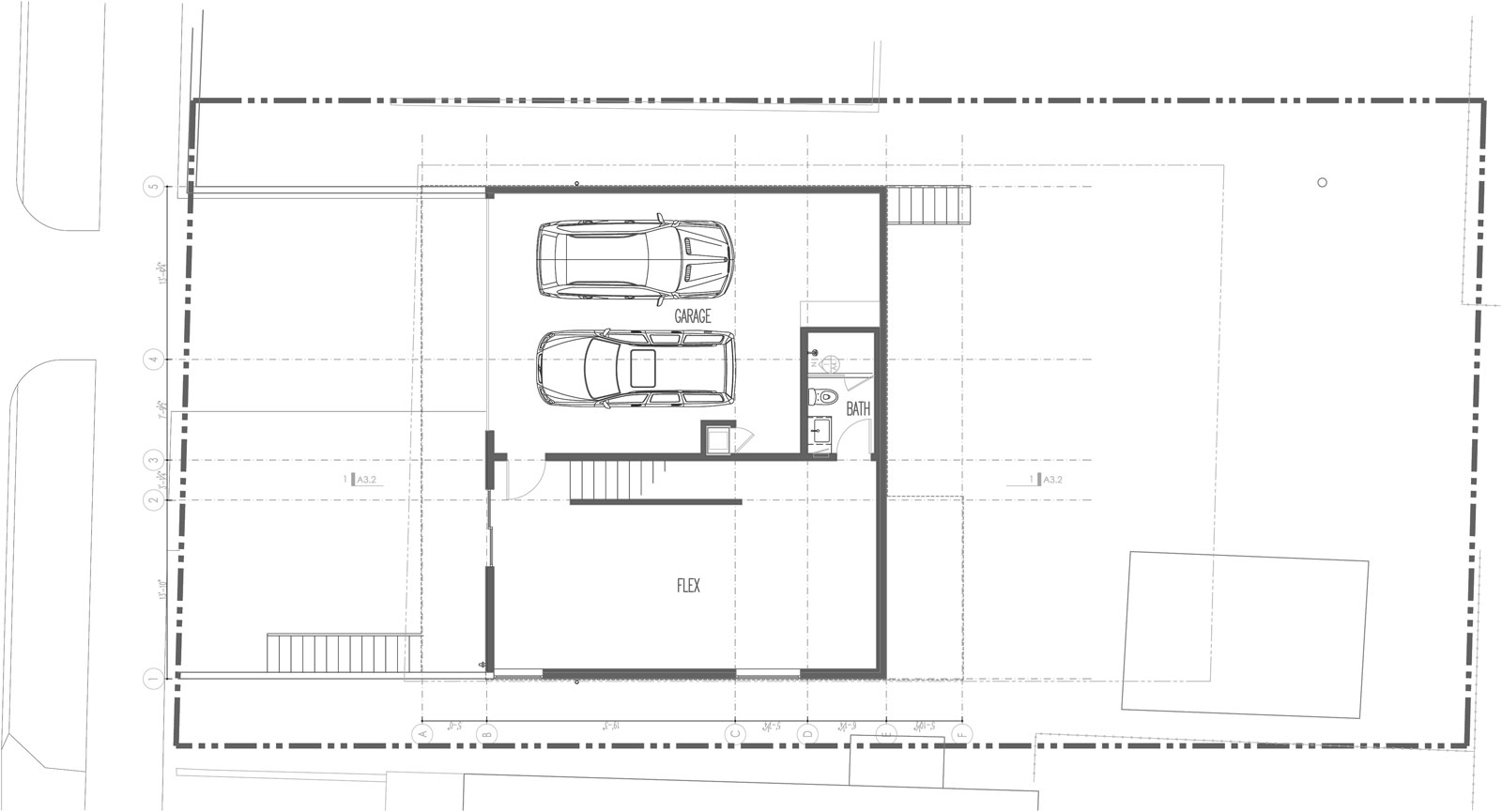
Our recently completed home in the Roosevelt neighborhood of Seattle includes a single family residence with provisions for a future Accessory Dwelling Unit (ADU) at the lower level. A 480 square foot flex space was built with a full bathroom and the rough-ins for a future kitchen. While the space currently serves as a recreation room for a couple of active teenagers, in the years to follow, it can easily be converted to a living unit with the addition of walls and a small kitchen. While the ADU must be registered with the building department, the City of Seattle allows one Accessory Dwelling Unit or Detached Accessory Dwelling per parcel in addition to the primary residence so long as the requirements are met.
BUILD-LLC-CSH2014-Ext-N-01#

BUILD-LLC-CSH-2014-Plan
[Images by BUILD LLC]

Case Study House 2016
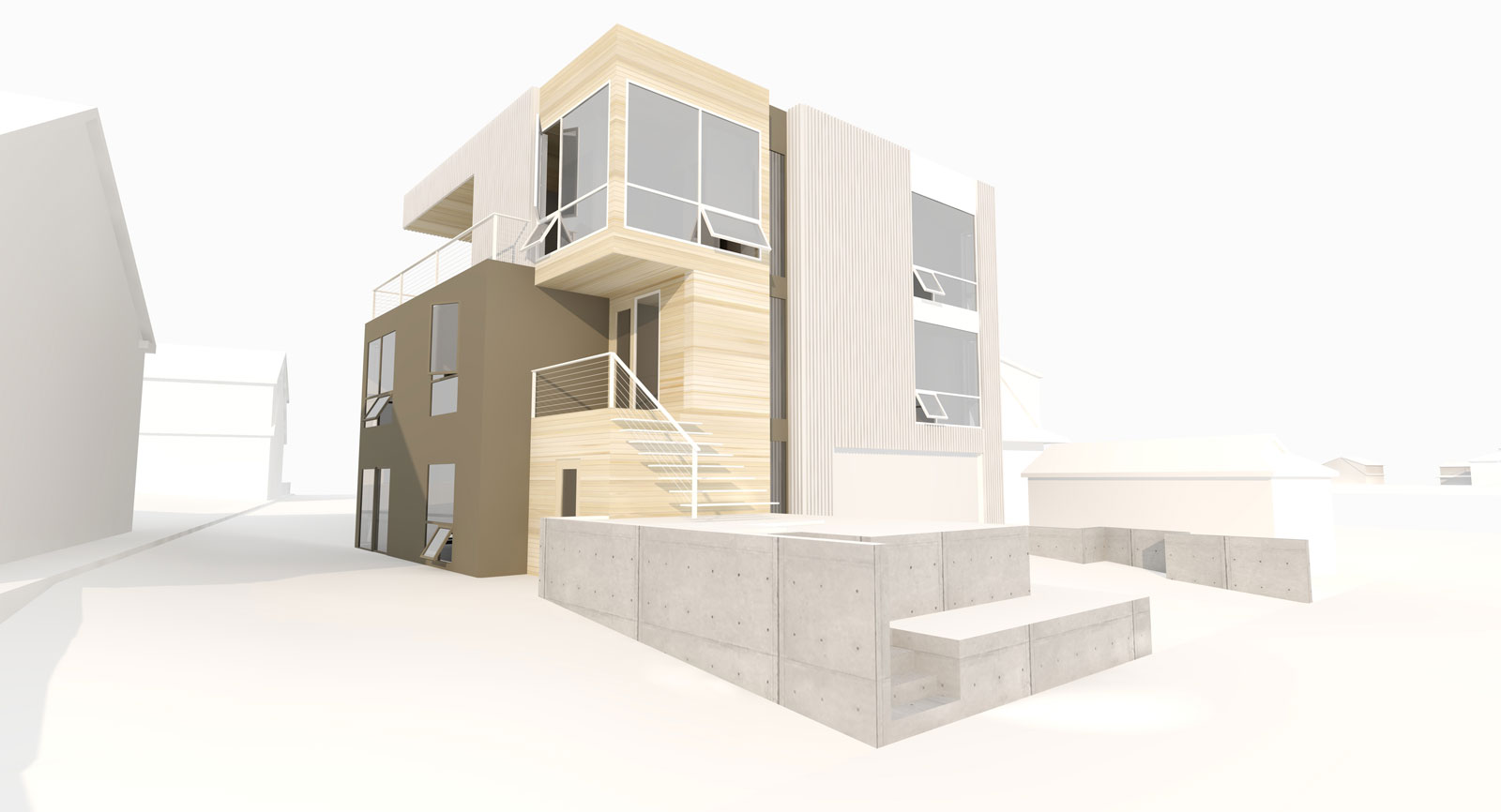
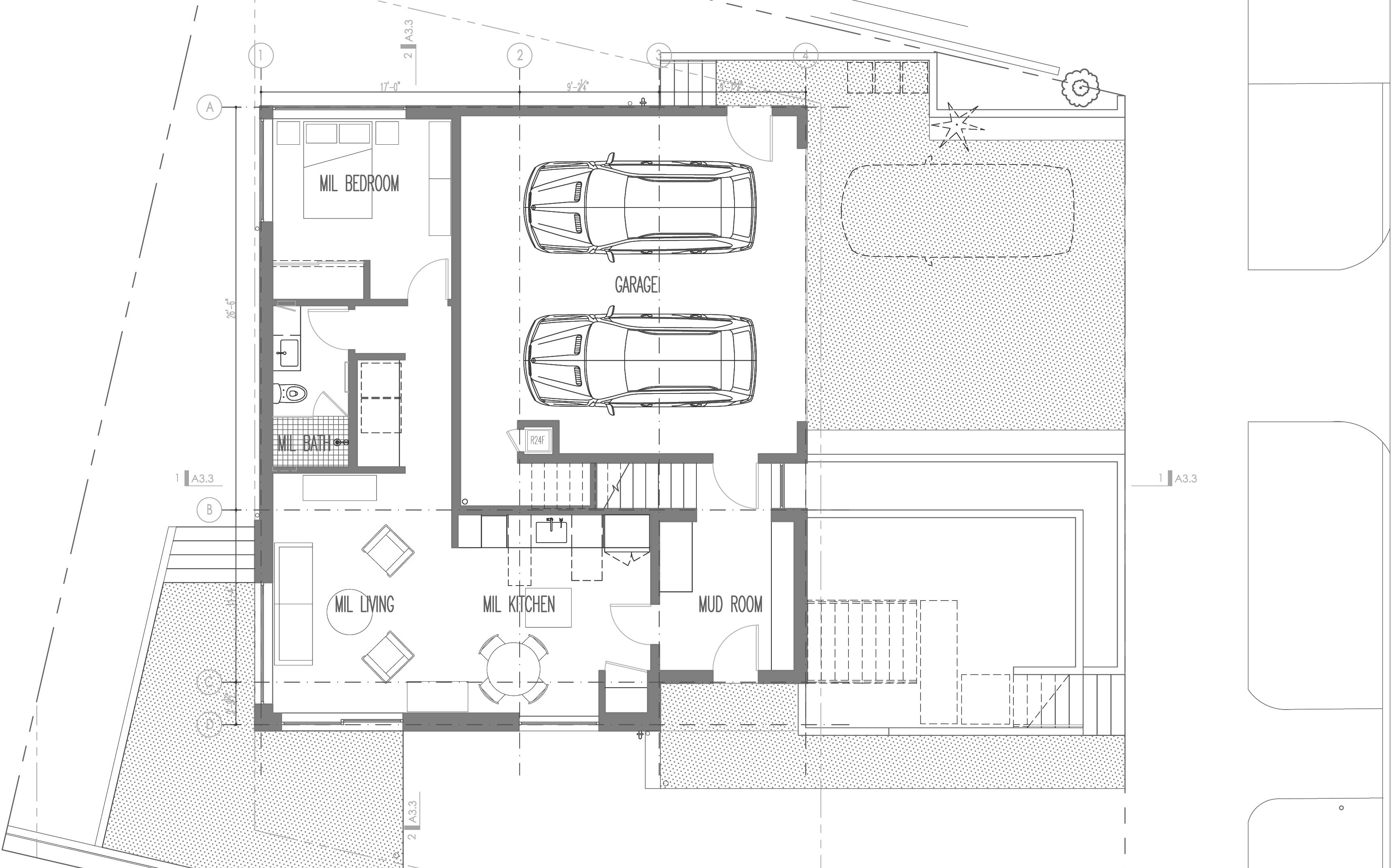
BUILD is currently in for permit on the CSH 2016, which includes a fully outfitted ADU at the lower level. This mother-in-law unit will be established with the building permit for the primary residence and will be completed at the same time as the overall structure. The dwelling unit is approximately 650 square feet and includes all the amenities of an apartment unit in the city. Whether the city council can follow through with the HALA agenda or not, many homeowners have it within their right to include an accessory dwelling unit on their property.
BUILD-LLC-CSH2016-model

BUILD-LLC-CSH-2016-Plan
[Images by BUILD LLC]

Park Modern Building
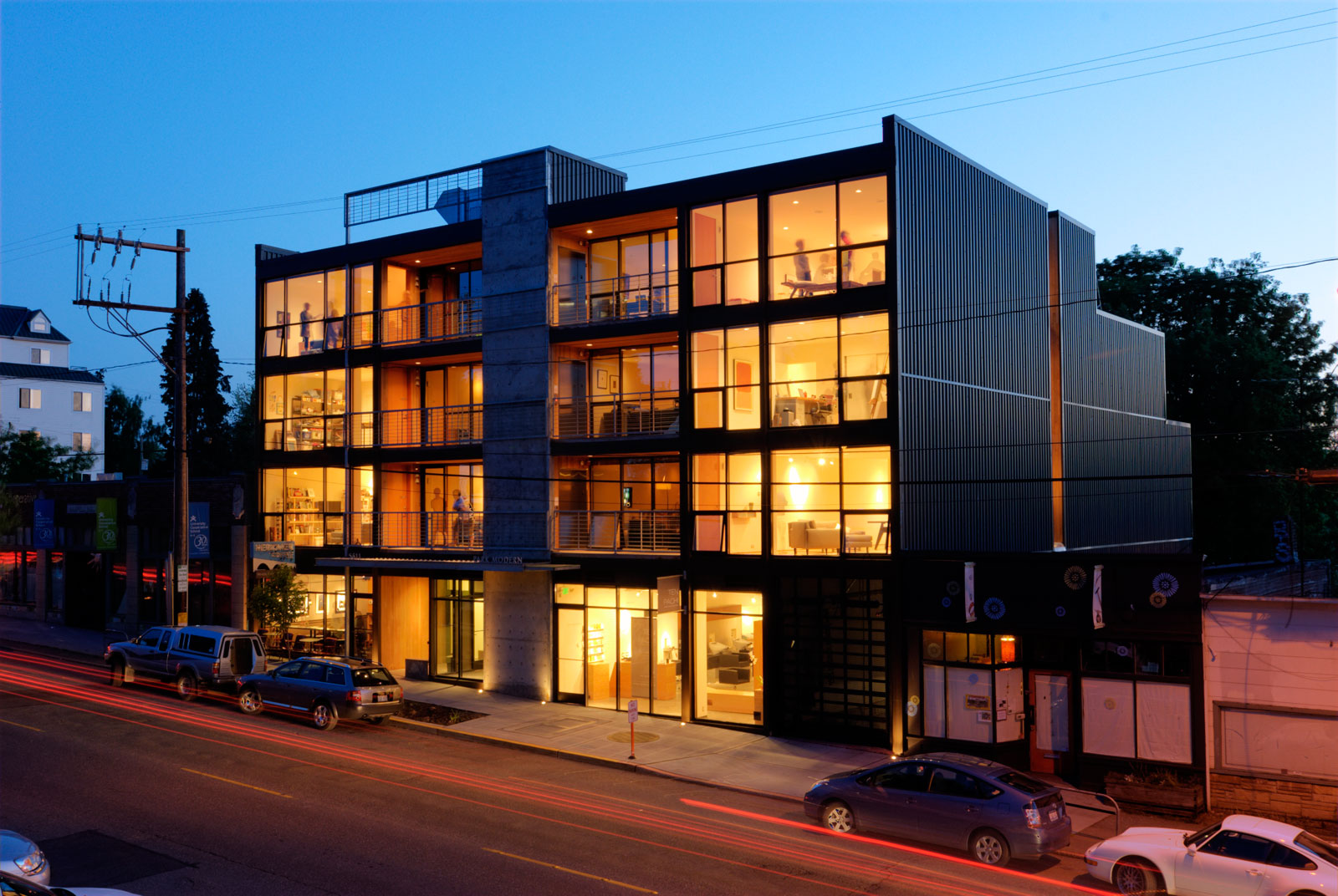
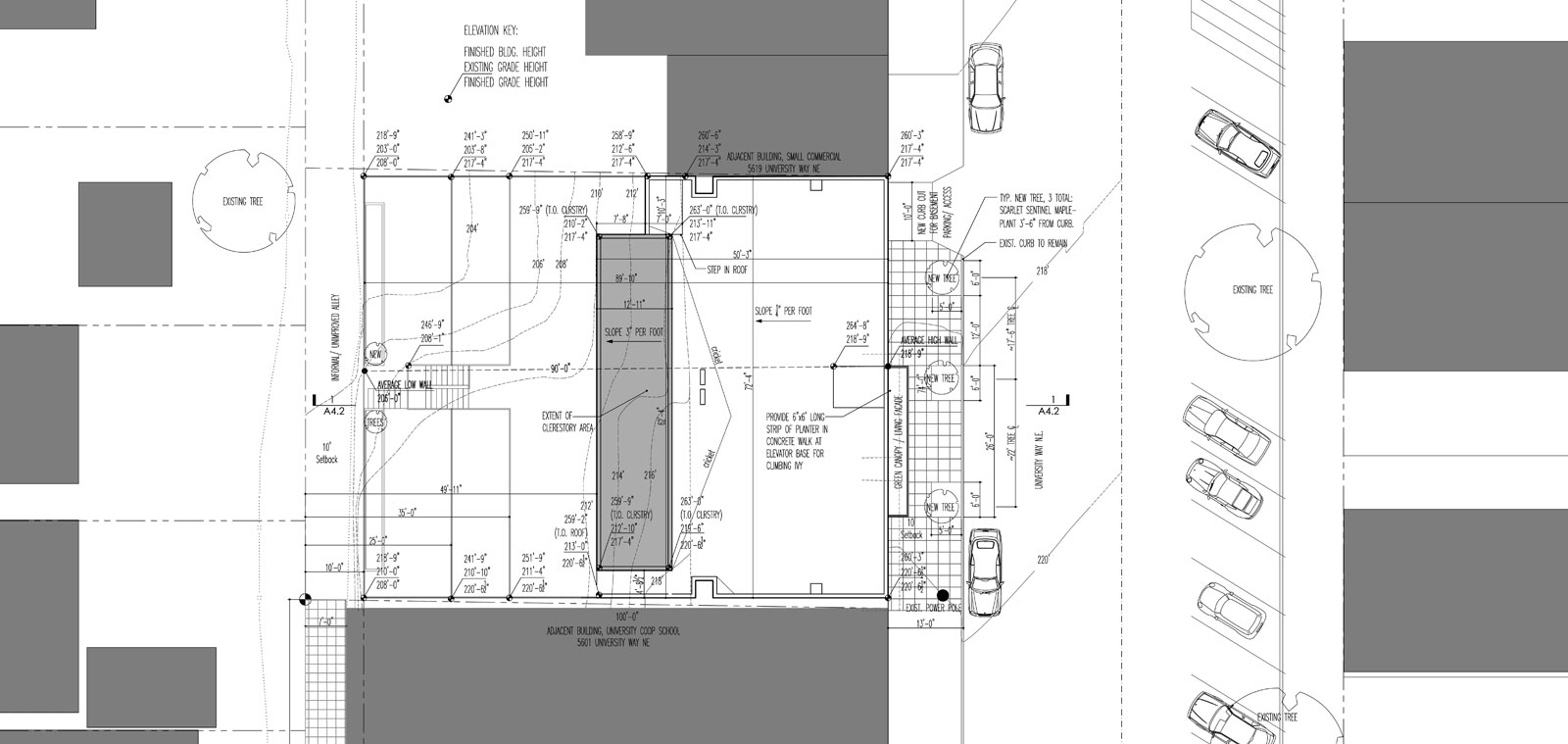
While it’s not a subdivided lot, an ADU/DADU, the conversation of affordability and livability in the city wouldn’t be complete without mentioning the Park Modern Building completed in 2007. This low-rise mixed-use, multi-family project was originally developed as a response to the need for affordable living in the city and continues to be a strong community of urbanites and forward-thinking businesses. The 12 residential units and 3 commercial spaces reside on a tidy lot of just 7,500 square feet (1.5 typical single family lots). The efficiencies of this sensible density have proved quite successful over the last 8 years and we’re still firm believers that Seattle needs to better support the medium sized mixed-use building type like the Park Modern.
BUILD-LLC-Park-Modern-Night-01-HDR-02-photo-by-BUILDLLC

Park-Modern-Site-Plan
[Images by BUILD LLC]

We plan to continue designing and building work like the 4 examples above, regardless of the decisions made by the city. As professionals who think about design and urbanism whether we’re on the clock or not, we’re clear about the solutions. While local media sensationalize poorly conceived arguments, and local politicians attempt to advance their own agenda’s (read: careers) at the expense of their citizens, we’re simply left with two actions:

1.Continue to find opportunities to push big picture changes forward wherever and however we can,
2.Leverage current land use provisions to create housing in the spirit of the as-yet-to-be-adapted provisions of the HALA report.

The Mayor’s decision to dismiss some of the most useful recommendations on Seattle’s urban growth doesn’t necessarily determine the city’s fate. We don’t believe that Seattle can maintain its affordability and livability (to say nothing of its diversity, culture, and urbanism) without a paradigm shift in our thinking and our policies. But perhaps this shift in thinking is that we, the citizens, have to take matters into our own hands rather than relying on policy to support the very recommendations the city worked so hard to produce.

Cheers to an Urban Future, from Team BUILD

Monday, 26 October 2015

Wind Turbine That Stores Power

cheng

The main problem with using renewable energy sources is that they are not as reliable or consistent as traditional sources. This is especially true of wind energy, since wind turbines work at generating power until the wind is blowing, but stop once the wind stops. Because of this, even areas that get a lot of wind can’t transfer solely to wind power. Furthermore, wind turbines have a cap as to the maximum speed at which they can rotate and generate power, which is in place to prevent the machine from getting damaged in high winds. However, this also leads to “spillage” of power.

An electrical engineering doctoral student at the University of Nebraska-Lincoln Jie Cheng recently came up with a new technology, which would solve both of these problems. The tech he proposes is able to harness the excess wind energy, which is wasted as spillage. The system he developed is also able to store this excess wind energy to be used in times of little or no wind.

Cheng’s device works by converting and directing the unused wind energy into an air compression tank. This is achieved via a rotary vane, placed between the turbine’s gearbox and generator, which works to divert the excess energy and stores it in the tank. Once the winds die down, the airflow is reversed back to the rotary vane and the machine is able to generate electricity again.

According to tests with a prototype, a 250-kW system built in this way would produce an additional 16,400 kWh per month compared to traditional wind turbines and using the wind data for Springview, Nebraska. To put in in perspective, this additional electricity is roughly 18 times the total monthly energy usage of a typical US household.

Cheng is currently working with the Lincoln Electric System, the American Public Power Association and UNL’s NUtech Ventures office in an effort to continue to research an develop this technology, as well as to market it to the industry.

Friday, 23 October 2015

Small Homes That Can be Assembled in One Day

ext

One of the best things about downsizing to a smaller home is the ease and speed of the construction of such homes. And the so-called Box Homes, designed and produced by the Bert and May Group of London, UK really outshine the competition in this, since they can be assembled in just one day.

The Box Homes they offer are available in several sizes, which range from an 82 sq ft (7.7 sq m) tiny version to a more luxurious 495-sq ft (46-sq m) version. The homes are all prefabricated off-site, and take about 14 weeks to manufacture, after which they can usually be built in just one day. Once set up, these are fully functional small homes, while they are also made using sustainable and eco-friendly materials, and feature structural insulation and a green roof. All homes also have a small terrace attached to them.

bath

bedroom

dining

All of the Box Homes are designed with a view toward comfort and affordability. They feature an efficient heating system, good insulation, enough storage space, as well as windows that let in plenty of natural light and provide good ventilation. In addition to this, the homes are all built using reclaimed and sustainable materials, which include weathered barn oak that is used for the exterior and interior walls, flooring made of reclaimed timber, and double glazed aluminum doors and toughened glass windows.

terrace

The Teeny Box is the smallest version of the home, measuring 82 sq ft (7.7 sq m). It is basically a one-room shelter, and has no bathroom or kitchen. It is primarily meant as a tiny retreat, home office, art studio or even a guest room. Next is the Little Box, which measures 205 sq ft (19 sq m), and is a one-bedroom, studio home that has a separate bathroom. The One Bedroom Big Box and Two Bedroom Big Box both measure 495 sq ft (46 sq m), though the latter has a higher ceiling. The main difference between the two is the extra bedroom, and they both feature a wall kitchen, a spacious open plan living and dining area, and bathroom.

littlebox

onebed

teeny

All the homes feature a steel frame and durable wood cladding, while the homes are also able to withstand most weather conditions and have a 10-year structural guarantee. The green roof that each of them comes with works to regulate the interior temperature both in the summer and winter, while prospective buyers can also choose the add on of a solar thermal energy system with an air source heat pump to their home, if they wish. Prices range from $38,400 for the Teeny version to $269,000 for the two-bedroom version.